Kangen Water vs. Regular Water: Science-Backed Benefits, Risks & Key Differences (2025)

In 2025, the global demand for “functional” waters like Kangen Water continues to rise, fueled by claims of superior hydration, detoxification, and even anti-aging benefits. But how does it really compare to regular water?

As a trusted Kangen Water distributor in Malaysia, I’ve analyzed peer-reviewed studies, clinical trials, and expert opinions to deliver an unbiased, science-backed comparison. This guide will cover:

    • Key differences in pH, minerals, and production methods
    • Verified health benefits (and overstated claims)
    • Potential risks of long-term alkaline water use
    • Who should (and shouldn’t) switch to Kangen Water

Let’s dive in.

Table of Contents

What Is Kangen Water? How Is It Made?

Kangen Water® is a medical-grade ionized water produced by Enagic’s electrolysis machines. Unlike regular water, it undergoes a 3-step transformation:

    1. Filtration: Removes chlorine, heavy metals, and impurities.
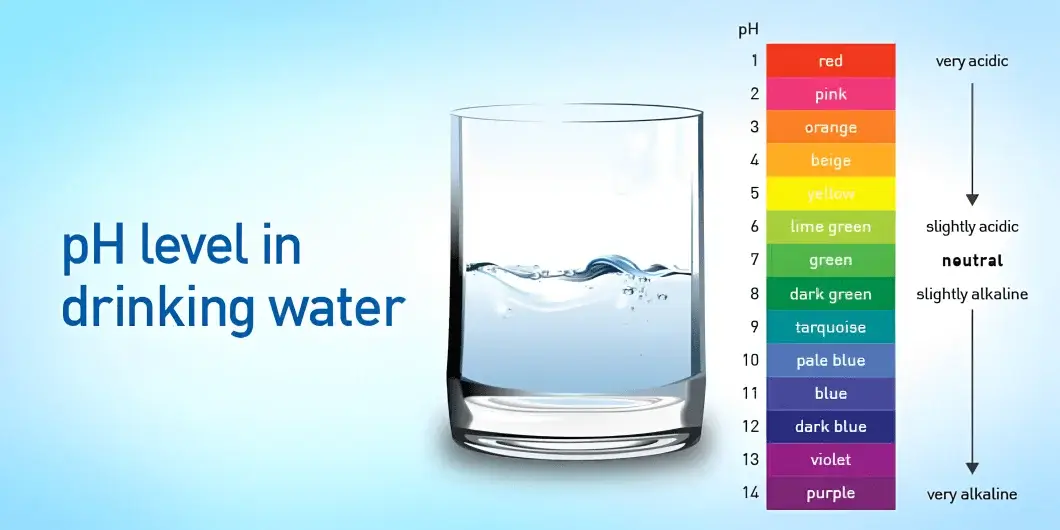
    2. Electrolysis: Uses platinum-coated titanium plates to split water into alkaline (pH 8.5–11.5) and acidic (pH 2.5–6.5) streams.
    3. Mineral Enhancement: Retains calcium, magnesium, and potassium while infusing molecular hydrogen (H₂)—a potent antioxidant

Key Traits of Kangen Water:

    • pH Range: 8.5–9.5 (drinking), up to 11.5 (cleaning).
    • ORP (Oxidation-Reduction Potential): Negative (-800mV), indicating strong antioxidant properties.
    • Hydrogen-Rich: Contains 0.2–0.6 mg/L of dissolved H₂, which may combat oxidative stress

What Is Regular Water?

Regular water—whether tap, bottled, or filtered—has a neutral pH (~7) and contains trace minerals. Its composition varies by source:

    • Tap Water: Treated with chlorine (pH 6.5–8.5).
    • Bottled Water: Typically pH 7–7.5 (e.g., Evian, Spritzer).
    • Reverse Osmosis (RO): Purified but mineral-deficient (pH ~6.5) 

Key Traits of Regular Water:

    • Hydration: Supports basic bodily functions (thermoregulation, digestion).
    • Safety: No risk of over-alkalization (unlike excessive Kangen Water).
    • Cost: Far cheaper 

Key Differences: Kangen Water vs. Regular Water

Factor Kangen Water Regular Water
pH Level
8.5–11.5 (alkaline)
~7 (neutral)
Antioxidants
Yes (H₂ gas, negative ORP)
No
Mineral Content
High (Ca, Mg, K retained)
Varies (often lower in RO water)
Hydration Efficiency
Smaller clusters claimed
Proven effective
Environmental Impact
Low waste (vs. bottled water)
High waste (plastic bottles)

Science-Backed Benefits of Kangen Water

1. Antioxidant Properties and Free Radical Neutralization

Kangen Water is ionized to produce molecular hydrogen (H₂), a potent antioxidant that scavenges harmful free radicals linked to oxidative stress, inflammation, and chronic diseases like diabetes and cancer.
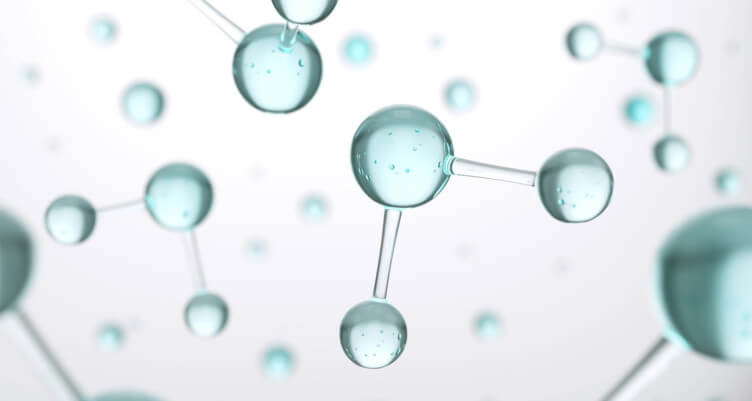
    • Mechanism: During electrolysis, water molecules split into H₂ gas and hydroxide ions (OH⁻). H₂ selectively neutralizes cytotoxic free radicals (e.g., hydroxyl radicals) without disrupting beneficial reactive oxygen species (ROS) required for cellular signaling 
    • Clinical Evidence:
      • A 2010 study in Medical Gas Research found molecular hydrogen reduces oxidative stress markers and improves metabolic syndrome parameters 
      • Kangen Water’s Oxidation-Reduction Potential (ORP) measures its antioxidant capacity. Studies show its ORP ranges from -400mV to -800mV, comparable to 16 Vitamin C tablets per glass, making it a powerful reducing agent 
      • Users report reduced inflammation and improved skin health, though direct studies on Kangen Water specifically are limited

2. Enhanced Hydration and Cellular Absorption

Kangen Water’s micro-clustered molecular structure (smaller H₂O clusters) allows for faster cellular uptake compared to regular water.
    • Scientific Basis:
      • The hexagonal structure of ionized water reduces cluster size from 10–13 molecules (tap water) to 5–6 molecules, enabling rapid penetration through aquaporins (cellular water channels) 
      • A 2018 PLoS One study on athletes showed alkaline water improved hydration efficiency and endurance during high-intensity workouts 
      • This property is particularly beneficial for athletes, seniors, and individuals with dehydration-related conditions like chronic fatigue

3. pH Balancing and Acid Neutralization

Kangen Water’s alkaline pH (8.5–9.5) may counteract metabolic acidosis caused by modern diets high in processed foods, sugar, and animal proteins.

    • Key Findings:
      • A 2012 study in Annals of Otology, Rhinology & Laryngology demonstrated that alkaline water (pH 8.8) neutralizes pepsin, a key enzyme in acid reflux, offering relief for GERD patients 
      • While blood pH remains tightly regulated (7.35–7.45), alkaline water may reduce urinary acidity and mitigate conditions like kidney stones and osteoporosis  
      • Critics argue that systemic pH changes are minimal, but proponents highlight its role in neutralizing acidic waste in connective tissues and improving gut health

4. Bone Health and Calcium Bioavailability

Emerging research suggests alkaline water may improve calcium retention and bone density:
    • A 2021 Journal of Menopausal Medicine study found postmenopausal women drinking alkaline water showed greater bone density improvements over 3 months compared to controls 
    • Kangen Water contains ionic calcium, which is 30% more bioavailable than calcium from dietary sources, aiding in bone mineralization  
    • Critics note that long-term studies are lacking, and benefits may depend on baseline mineral intake  

5. Detoxification and Digestive Support

Kangen Water’s alkaline properties may enhance detox pathways:

    • Liver/Kidney Function: By neutralizing acidic metabolic waste (e.g., uric acid), it reduces strain on detox organs. A 2024 Medicine study linked alkaline water to reduced gout symptoms and uric acid levels 
    • Gut Health: Users report reduced bloating and acid reflux, though stomach acid neutralization remains debated. The water’s alkalinity may temporarily buffer gastric acidity, aiding those with dyspepsia

Benefits of Regular Water

1. Essential for Bodily Functions and Physical Performance

    • Hydration and Metabolism: Water regulates body temperature, transports nutrients, and supports metabolic processes. Even mild dehydration (2% body weight loss) can impair physical endurance, increase fatigue, and reduce motivation during exercise.
    • Joint and Organ Protection: It lubricates joints, cushions organs, and maintains blood volume, ensuring efficient nutrient delivery and waste removal.
    • Digestive Health: Adequate hydration prevents constipation by softening stools and aids in the breakdown of food. Mineral water, in particular, may enhance digestion due to its magnesium and sodium content.

2. Cognitive and Emotional Benefits

    • Brain Function: The brain is 75% water, and dehydration as low as 1–3% can impair memory, focus, and mood. Studies link proper hydration to faster decision-making, reduced mental fatigue, and improved short-term memory.
    • Stress and Sleep: Dehydration elevates cortisol (stress hormone), contributing to anxiety and irritability. Staying hydrated supports better sleep quality by regulating body temperature and hormone balance.

3. Weight Management and Appetite Control

    • Calorie Reduction: Replacing sugary drinks with water lowers calorie intake. Drinking 500 mL before meals can reduce hunger and lead to weight loss—participants in one study lost 44% more weight over 12 weeks by pre-hydrating.
    • Metabolic Boost: Water-induced thermogenesis slightly increases calorie burning, especially when consumed cold, as the body expends energy to warm it.

4. Disease Prevention and Organ Health

    • Kidney Function: Water dilutes urine, reducing kidney stone risk by preventing mineral crystallization. It also aids in flushing toxins and supports dialysis patients by improving renal function.
    • Heart and Liver Health: Proper hydration helps maintain blood pressure and may reduce cholesterol levels. In liver disease patients, it improves fat metabolism and organ function.
    • Infection Resistance: Adequate fluid intake reduces urinary tract infection (UTI) risk by increasing urine output to flush bacteria.

5. Skin Health and Detoxification

    • Skin Barrier Function: Hydration improves skin elasticity and reduces dryness. A study found that consistent water intake combined with moisturizer use significantly enhanced skin hydration.
    • Toxin Removal: Water supports kidney and liver functions, aiding in the elimination of metabolic waste and reducing oxidative stress.

Who Should (and Shouldn’t) Switch to Kangen Water

Kangen Water, marketed for its alkaline pH, antioxidant properties, and purported health benefits, may not be suitable for everyone. Based on scientific evidence and expert recommendations from the search results, here’s a breakdown of who might consider using it and who should avoid it:

Who Might Consider Kangen Water (With Caution):

    1. Healthy Individuals Seeking Hydration

      • For those without underlying health conditions, Kangen Water is generally safe in moderation. Its alkaline pH (8.5–9.5) and added minerals like calcium and magnesium may support hydration, though no significant advantage over regular filtered water has been proven  
      • Note: Claims about enhanced hydration or detoxification lack robust clinical validation  
    2. Athletes or Those with High Physical Activity

      • The electrolyte content in ionized water (e.g., potassium, magnesium) could aid in rehydration after exercise, though standard sports drinks or balanced diets may offer similar benefits more cost-effectively  
    3. Individuals Interested in Antioxidant Supplements

      • Kangen Water’s negative ORP (oxidation-reduction potential) is marketed as providing antioxidant benefits. While molecular hydrogen in ionized water has shown antioxidant potential in lab studies, human trials are limited  

Who Should Avoid Kangen Water:

    1. People with Kidney Disease or Impaired Kidney Function
      • High-pH water (above 9.8) can disrupt electrolyte balance, leading to hyperkalemia (excess potassium) or metabolic alkalosis, especially in those with chronic kidney disease (CKD) or on dialysis   
      • The kidneys struggle to excrete excess alkalinity, increasing risks of complications
    1. Those Taking Proton Pump Inhibitors (PPIs) or Acid-Reducing Medications
      • The kidneys struggle to excrete excess alkalinity, increasing risks of complications
    2. Cancer Patients Relying on Alternative Therapies

      • Claims that Kangen Water “alkalizes the body to starve cancer” are pseudoscientific. Tumor microenvironments are acidic due to metabolic processes, but altering systemic pH through water is ineffective and may delay evidence-based treatments  
    3. Individuals with Gastrointestinal Disorders

      • High-pH water might temporarily neutralize stomach acid, but prolonged use could disrupt digestive processes, worsen acid reflux, or lead to bacterial overgrowth 
    4. Elderly or Medically Vulnerable Populations

      • Age-related declines in kidney function and medication interactions (e.g., diuretics) increase susceptibility to electrolyte imbalances from alkaline water  
    5. Children and Pregnant Women

      • No studies confirm the safety of long-term alkaline water use in these groups. The potential for mineral imbalances or contaminants in ionized water poses unnecessary risks  

Final Thought

Let’s face it—hydration is personal. You don’t need a fancy machine to drink water, but if you’re curious about Kangen, here’s the honest scoop without the sales fluff.

Who’s It For?

    1. Health Optimizers: If you’re into wellness trends and want to experiment with alkaline water, Kangen might feel like an upgrade. Think of it like swapping fast food for a green smoothie—nice, but not life-or-death.
    2. Fitness Fanatics: Post-workout, the minerals in Kangen could help replenish electrolytes. But honestly? A banana and coconut water work just as well (and cost less).
    3. Eco-Conscious Households: If you’re tired of plastic bottles, a Kangen machine cuts waste. Just know you’re paying a premium for the convenience.

Who Should Skip It:

    1. Anyone with kidney issues, pregnant moms, or folks on meds like PPIs. The risks aren’t worth it.

Machine Recommendations: Cut Through the Clutter

    1. Not all ionizers are created equal. If you’re sold on trying Kangen, here are the top models actual users swear by:

      1. Kangen 8 (K8): The Rolls-Royce of ionizers—pricey but durable. Perfect for large families or hardcore enthusiasts.
      2. SD 501: A mid-tier workhorse. Balances affordability with Enagic’s signature “medical-grade” tech.

      Pro tip: Always pair your machine with a pre-filtration system. Tap water contaminants can gunk up the plates, and repairs aren’t cheap.

Why Even Bother? Here’s the Urgency

Look, I’m not here to pressure you. But if you’re teetering on the edge:

    • Limited-Time Perks: Enagic often runs seasonal deals (free filters, installation kits) that expire fast. Miss them, and you’re stuck paying full price.
    • Stock Issues: Post-pandemic supply chains are shaky. Wait too long, and your preferred model might be backordered for months.
    • Health Isn’t a Maybe: If you’re genuinely struggling with acid reflux, fatigue, or skin issues, why delay? Test it for 30 days—most distributors offer money-back guarantees.

Kangen Water won’t cure cancer or turn back time. But for some, it’s a luxury that feels healthier. If you’ve got the cash and curiosity, go for it—just keep expectations realistic.

Change Your Water, Change Your Life